
By Carbon Fusion
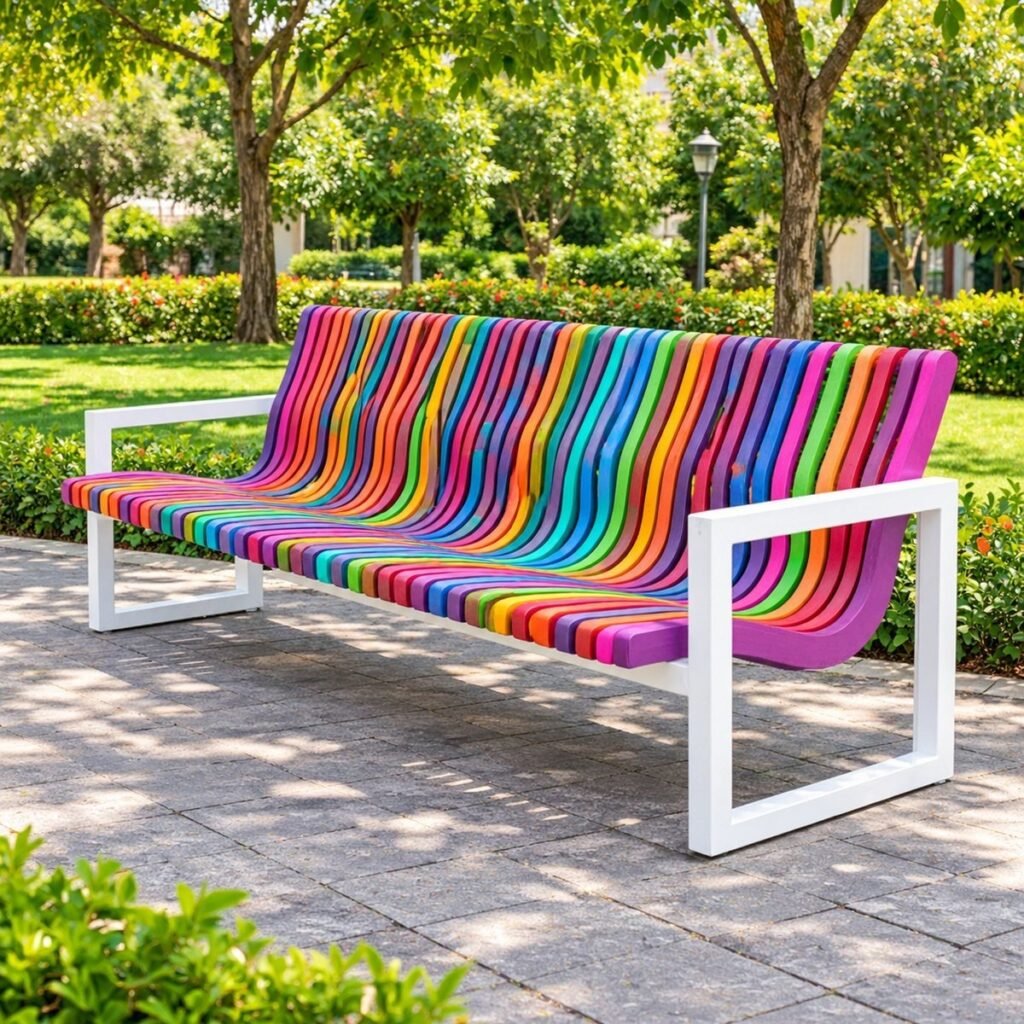
Garden furniture lives outside in sun, rain and soil, so it rarely stays good-looking for long. The material it is made from decides whether it lasts or becomes a yearly chore.
Quick answer: Recycled plastic garden furniture is a strong choice for Indian outdoor spaces. It resists rain, does not rot or rust, is not eaten by termites and keeps its colour with only a wash for upkeep. It also turns plastic waste into long-life seating. The purchase price can be higher than basic wood or steel, but upkeep is usually much lower.
What you’ll learn in this article:
- What recycled plastic garden furniture is and how it is made
- Seven practical benefits for homes, resorts and parks
- The main product types, from benches to dining sets
- A four-step way to choose the right pieces
- Common mistakes to avoid, plus FAQs
Contents: What it is | Why it matters in India | 7 benefits | Types | How to choose | Mistakes and FAQs | Conclusion
Planning a garden, resort or park project? Browse the Carbon Fusion benches and seating collection to see current designs.
What Is Recycled Plastic Garden Furniture?
Recycled plastic garden furniture is outdoor seating and tables built from sorted, cleaned and reprocessed plastic waste instead of timber or metal. The plastic is formed into solid slats and beams, often called plastic lumber, and assembled on a frame or into a self-supporting design.
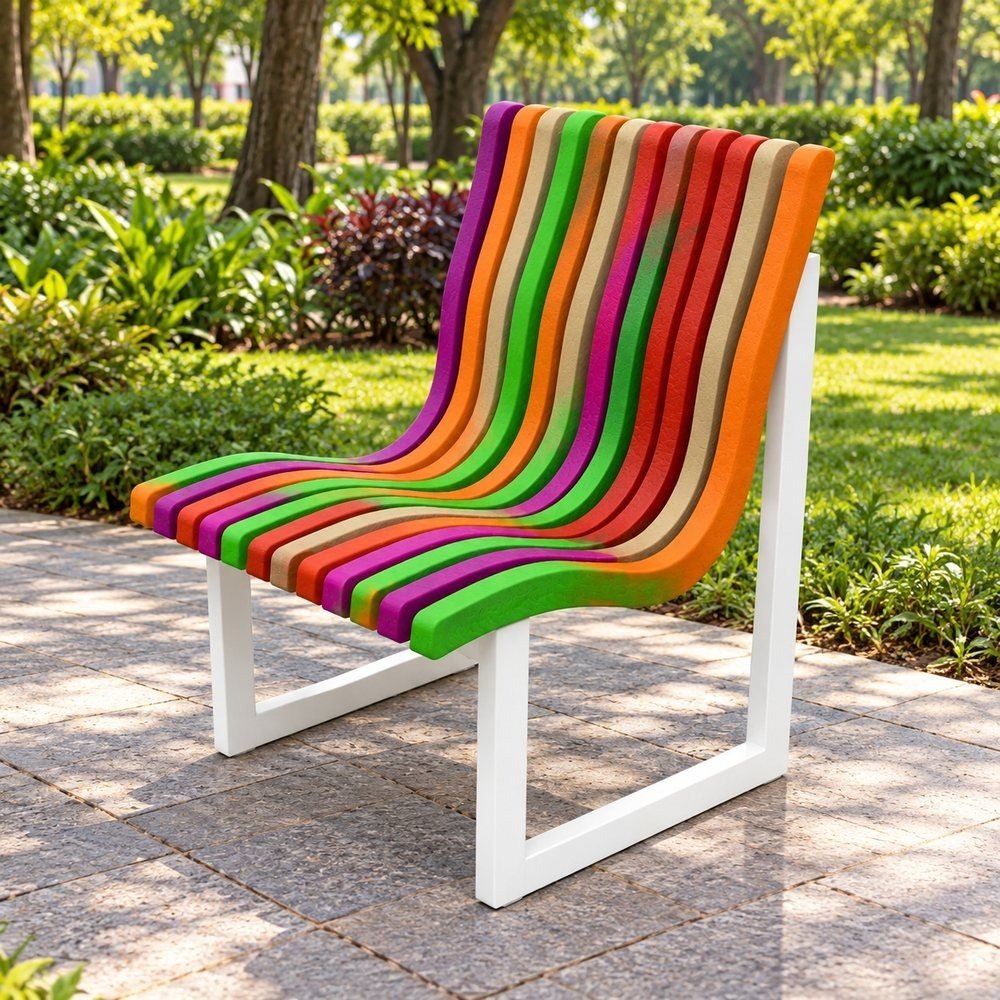
Because the colour is part of the material, the furniture does not rely on a paint layer that can chip or peel.
Why Recycled Plastic Garden Furniture Matters in India
Outdoor furniture in India has to cope with monsoon rain, strong summer sun, humidity and termites. Timber needs sealing and treatment to survive that, and steel needs rust protection. Both add recurring cost and effort.
Recycled plastic removes most of that workload. It also supports the goals behind India’s Plastic Waste Management Rules, 2016, which set the framework for how plastic waste is collected, managed and recycled.
Need furniture in bulk for a resort, society or municipality? Talk to the Carbon Fusion team about quantities, colours and delivery.
7 Benefits of Recycled Plastic Garden Furniture
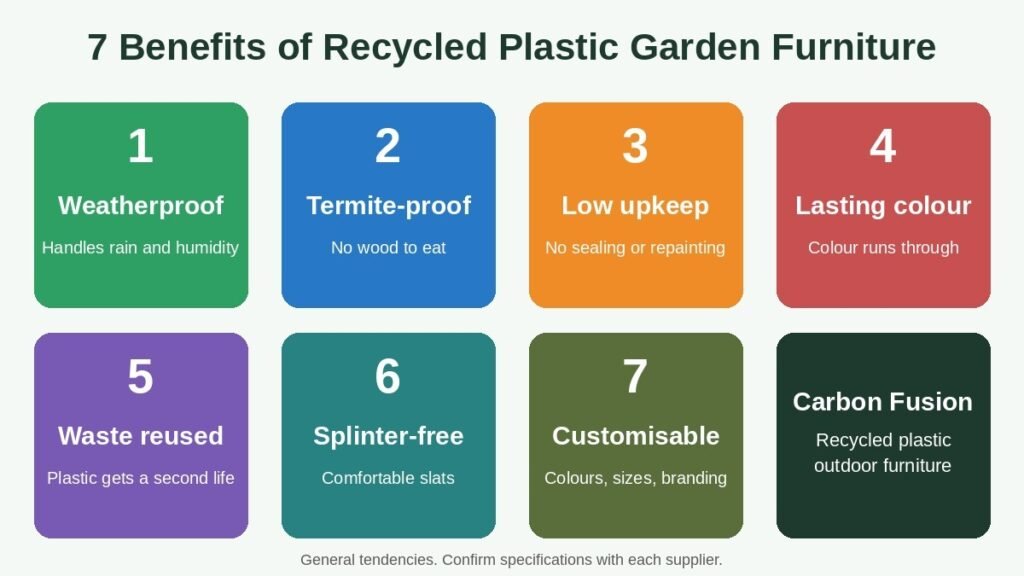
1. It Handles Rain and Humidity
Plastic does not absorb water, so it does not swell, split or rot the way timber can. Slatted designs also let rain drain through so seats dry quickly.
2. It Is Termite-Proof
Termites feed on wood, not plastic. For gardens, lawns and open-air spaces, that removes one of the most common reasons wooden furniture fails.
3. It Needs Very Little Maintenance
There is nothing to sand, seal, varnish or repaint. An occasional wash with water and mild soap, plus a check of fixings, is usually enough.
4. The Colour Lasts
Colour runs through the material, so scratches do not expose a different layer underneath. That is why bright designs, such as the rainbow bench, work well in playgrounds and public gardens. Quality varies by product, so ask the supplier about UV stability.
5. It Gives Plastic Waste a Second Life
Each piece uses plastic that would otherwise sit in a landfill or the environment. For hotels, schools and companies, that is a visible, practical sustainability story.
6. It Is Comfortable and Splinter-Free
Plastic slats do not splinter, which matters for children’s areas and public seating. Plastic can feel warm in direct sun, so shade and lighter colours help.
7. It Suits Many Settings and Can Be Customised
The same material works for home lawns, resort courtyards, campuses and parks. Colours, sizes and branding can be adapted, and bulk supply is possible. See custom-branded recycled plastic benches for corporate and campus projects.
Types of Recycled Plastic Garden Furniture
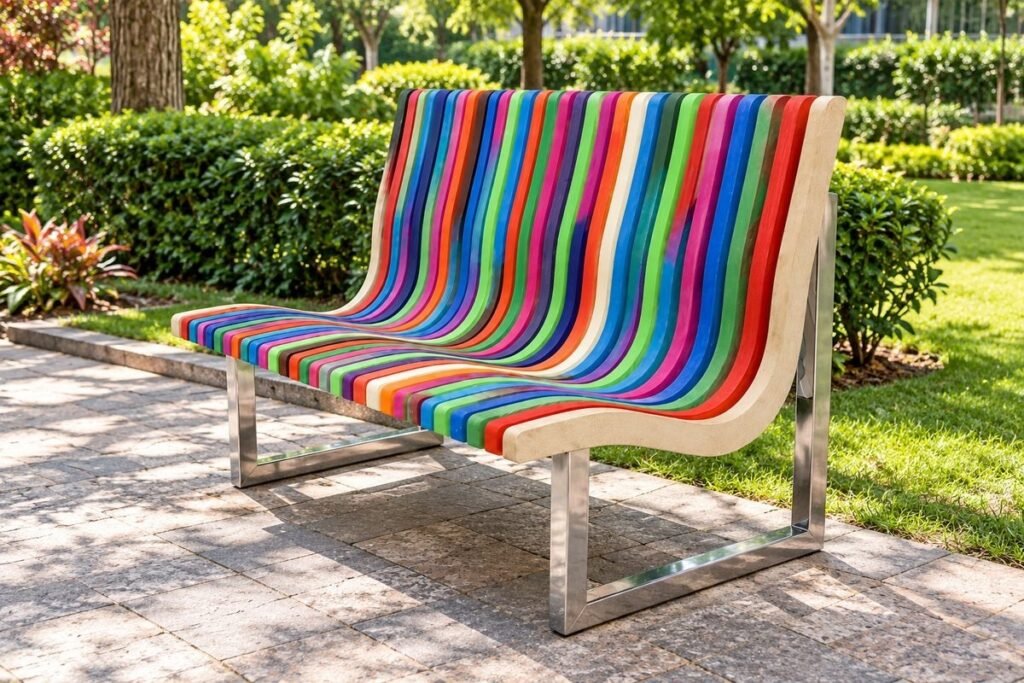
- Benches: the recycled plastic outdoor bench and the long rainbow bench for gardens and public spaces
- Dining sets: the eco-round outdoor dining set with a round table and four benches
- Picnic tables: the picnic table set for parks, campuses and courtyards
- Chairs: the lounge chair and the single line chair
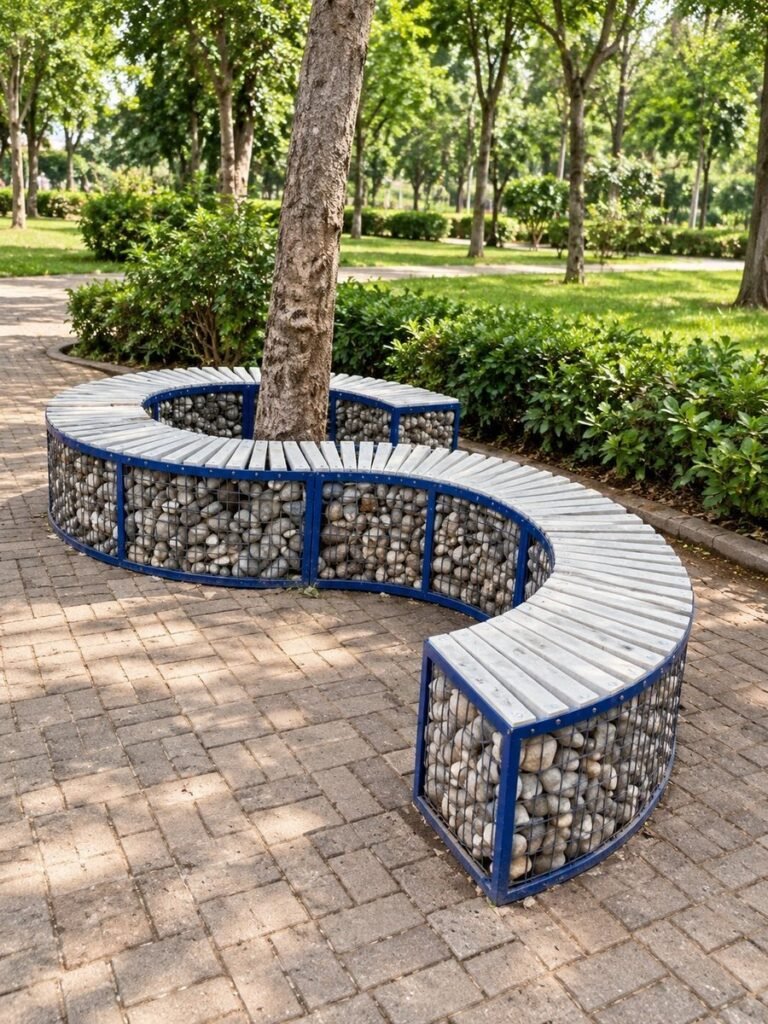
- Feature seating: the curved pebble bench for parks and landscaped areas
How to Choose Recycled Plastic Garden Furniture in 4 Steps
Step 1: Decide How the Space Will Be Used
A family lawn, a resort courtyard and a public park need different seating counts, sizes and durability.
Step 2: Check the Site Conditions
Note sun exposure, rain, shade, ground type and whether the furniture needs anchoring in a public place.
Step 3: Ask for Specifications
Request material, slat or beam thickness, dimensions, weight and seating capacity in writing. Compare quotes on the same basis.
Step 4: Plan Colours, Branding and Quantity
Decide colours and logos before ordering so everything arrives together. Bulk orders are easier to match when planned early.
Common Mistakes When Buying Garden Furniture
- Choosing on purchase price alone. Upkeep over several years often changes which option costs less.
- Ignoring sun and heat. Dark plastic surfaces in full sun can feel warm, so plan some shade.
- Skipping specifications. Not all recycled plastic furniture is built to the same standard.
- Forgetting installation. Public pieces may need fixing to the ground.
- Overlooking customisation. Colour and branding are easiest to settle before production.
Frequently Asked Questions
Is recycled plastic garden furniture good for outdoor use in India?
Yes. It does not rot, rust or attract termites, and it is designed to handle rain and sun with little upkeep. Ask the supplier about UV stability for your location.
How do I clean recycled plastic garden furniture?
Wash with water and mild soap, then rinse. There is no need to sand, seal or repaint.
Is it more expensive than wooden garden furniture?
It can cost more upfront. Over several years the gap often narrows, because wood needs recurring sealing and repair.
Can recycled plastic garden furniture be customised?
Yes. Colours, sizes and branding can be adapted, and bulk supply is available. Contact Carbon Fusion with your requirements.
What happens to plastic furniture at end of life?
Plastics of this kind can generally be reprocessed, unlike timber that has rotted.
Conclusion: Furniture That Stays Outside So You Don’t Have To Fix It
For homes, resorts and parks, recycled plastic garden furniture offers weather resistance, termite protection, colour that lasts and very little upkeep, while putting plastic waste to long-term use.
Ready to choose? Browse the shop, read about Carbon Fusion, or request a quote for your project.
